Dying Well Matters: The Conversations We Avoid Are Sometimes the Ones We Need Most

By Zeenat Noorani, Co-founder and CEO of Let’s Talk Better CIC

When was the last time you had a conversation about death, dying or what you would want if something unexpected happened?

Perhaps it is something you have thought about but never quite found the words to discuss. Maybe you have put it off because it feels uncomfortable, too upsetting or simply something you would rather not think about.

Yet these are often the conversations that matter most.

On 27 October 2026, Let’s Talk Better CIC (LTB), in partnership with Bromley Dementia Friendly Community (BDFC), brought the Bromley community together for Dying Well Matters – Conversations That Count.

The purpose was simple but important: to raise awareness, encourage open conversations about death and dying, share knowledge and personal experiences, and remind people that they do not have to navigate difficult times alone.

More than 75 people joined us, including speakers, panellists, exhibitors, professionals, voluntary organisations, community groups and members of the public.

What unfolded was much more than an event. It was a day of honesty, compassion, connection and, above all, humanity. I couldn’t have asked for a more meaningful and inspirational day.
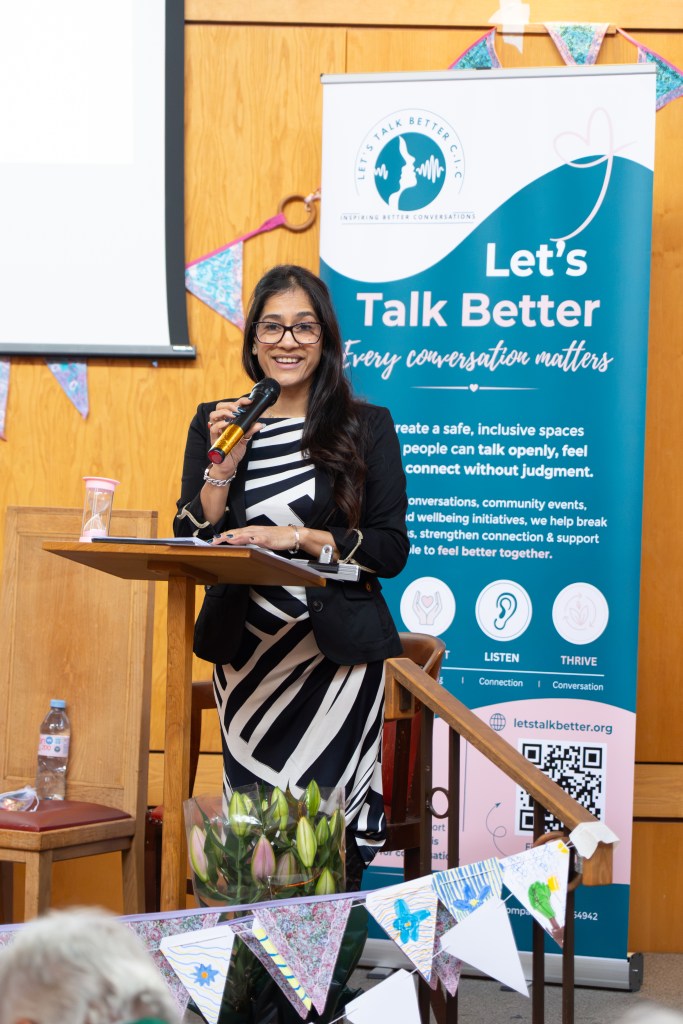
Zeenat Noorani – Co-organiser and event host (Co-founder & CEO Let’s Talk Better CIC

Why talking about death and dying matters

At Let’s Talk Better, we believe that every conversation matters. Sometimes the conversation we are most afraid to have is the one we most need.

Talking about dying is not about being morbid. It is about recognising that life is precious, that circumstances can change unexpectedly and that having conversations early can make an enormous difference.

It is about understanding our choices, sharing our wishes, making plans where possible and helping the people around us understand what matters to us.

We wanted to create a welcoming space where people could ask questions, listen without judgement and explore subjects that are often left until a crisis occurs.

From dementia and caring responsibilities to palliative care, wills, lasting powers of attorney, funeral arrangements, faith, culture and personal wishes, the day offered an opportunity to learn, reflect and consider the importance of planning ahead.

As I said on the day:

“Today is not about being morbid. It is about being human.”

Being a partner of Bromley Dementia Friendly Community made this collaboration particularly meaningful to me. I am honoured to be working alongside an organisation that recognises the importance of bringing people together, sharing information and supporting those affected by dementia.
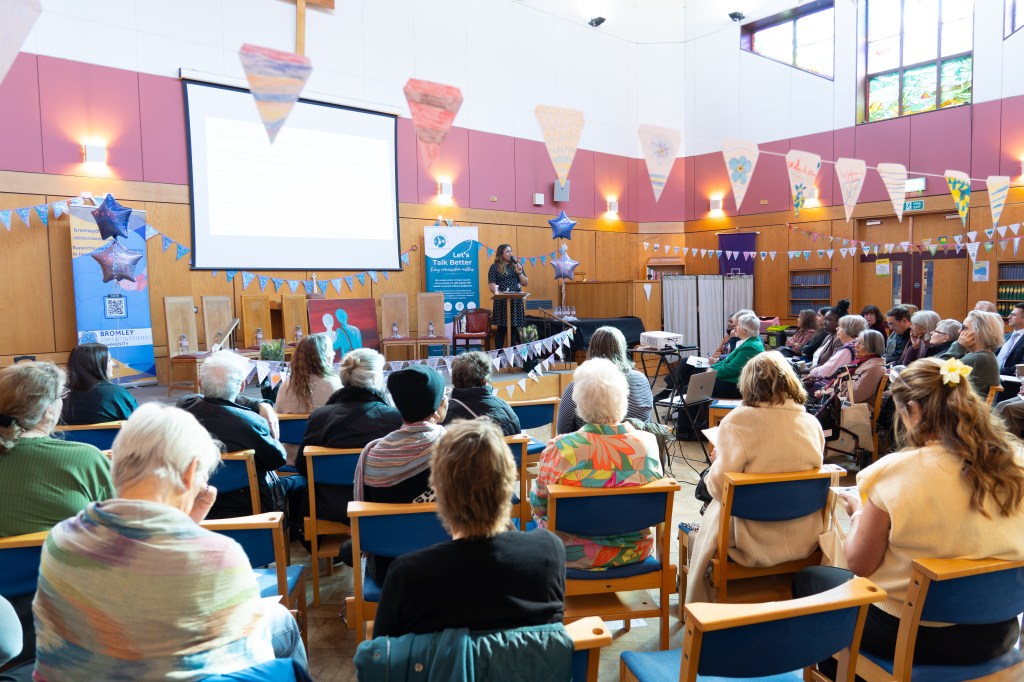
Our Community – Attendees

One of the most important parts of the day was hearing from people who were willing to share their knowledge and, in some cases, deeply personal experiences.

Our speakers brought different perspectives to the conversation, helping us look beyond the practical arrangements and understand the emotional, personal and human experiences that sit alongside them.

Lauretta Wright shared her experience of living with cancer. Her story was deeply moving and reminded us of the strength, uncertainty and resilience that can exist alongside a life-changing diagnosis. It was a powerful reminder of the importance of hope, support and making the most of the time we have.
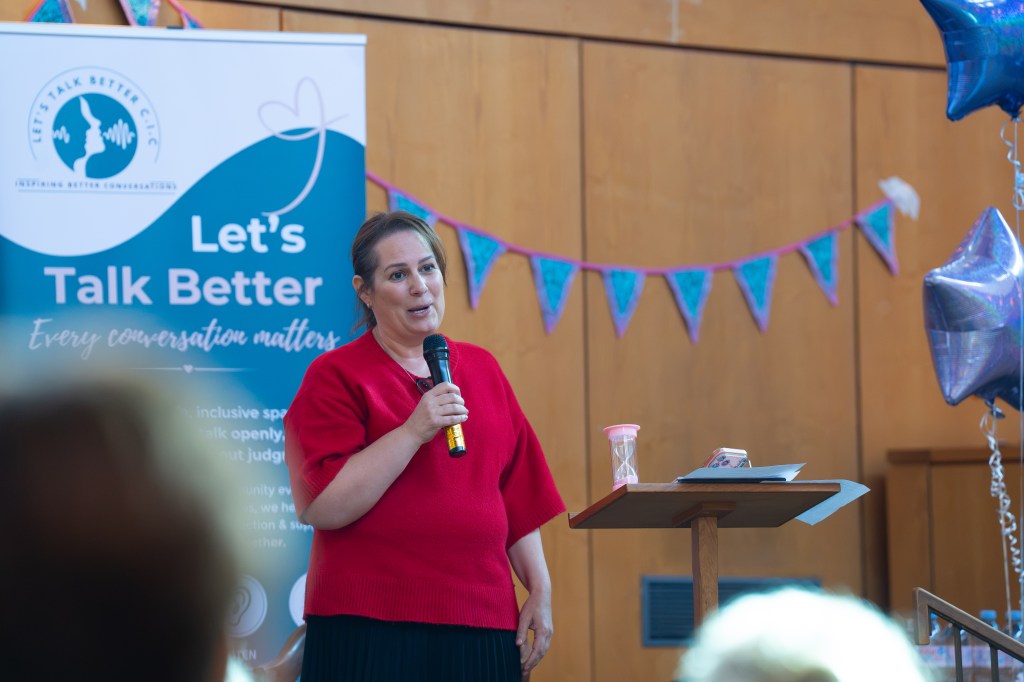
Lauretta Wright – Life In Magazines/ Luna Creative Media

Brenda, a BDFC partner and Rotarian, spoke about the recent loss of her husband and the challenges of caring for him. She shared how art and poetry had helped her express and process some of the emotions surrounding her experience.

Her contribution highlighted something that can sometimes be overlooked: the emotional journey of carers, the impact of loss and the different ways people find a way to cope. It was a reminder that everyone experiences grief differently and that sometimes creativity can provide a way to express what words alone cannot.
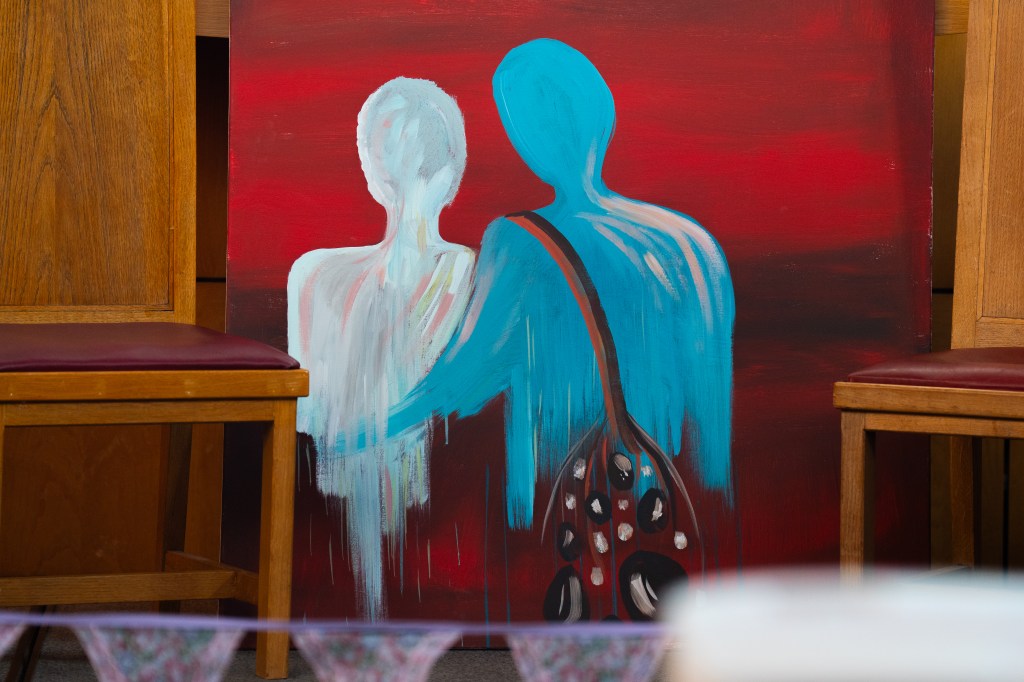
Artwork created by Brenda Parson – Creativity to help through challenging times

We also heard from professionals and organisations working across dementia support, bereavement, health and social care. Their contributions helped people understand the support available and why it is so important to have conversations while there is still time and opportunity to make informed choices.

We had also planned a practical Last Wishes workshop with Faye Cox, Celebrant. Unfortunately, Faye was unable to deliver the workshop as she had to conduct a funeral. We were very grateful to Michelle Harvey, who stepped in at short notice to speak about Last Wishes and help attendees think about the things that matter to them and how they might begin recording their wishes.
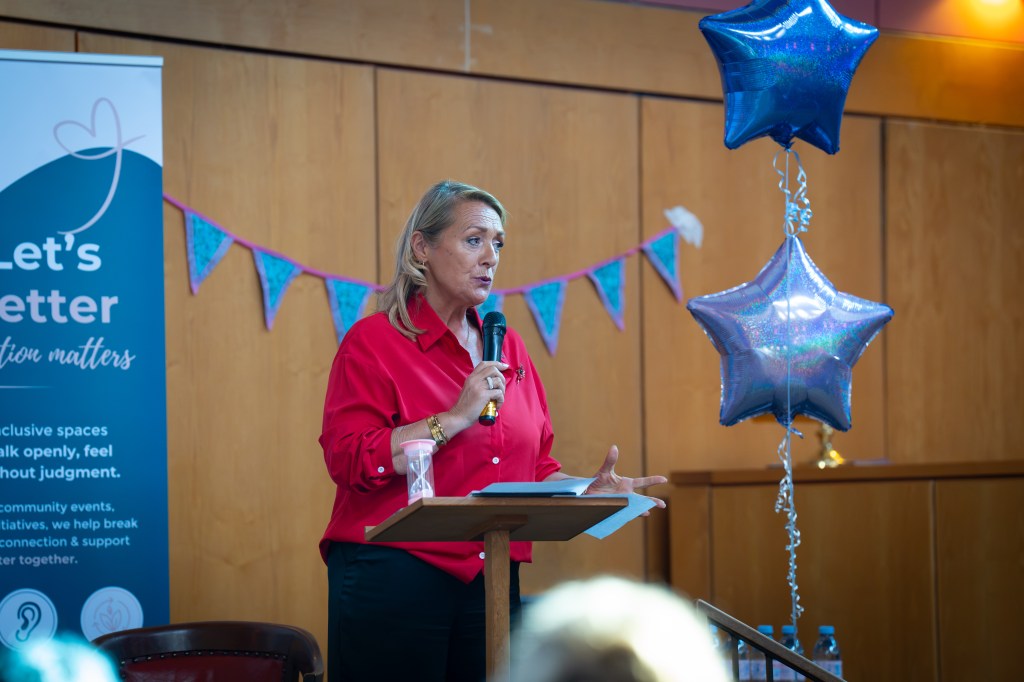
Michelle Harvey – Celebrant
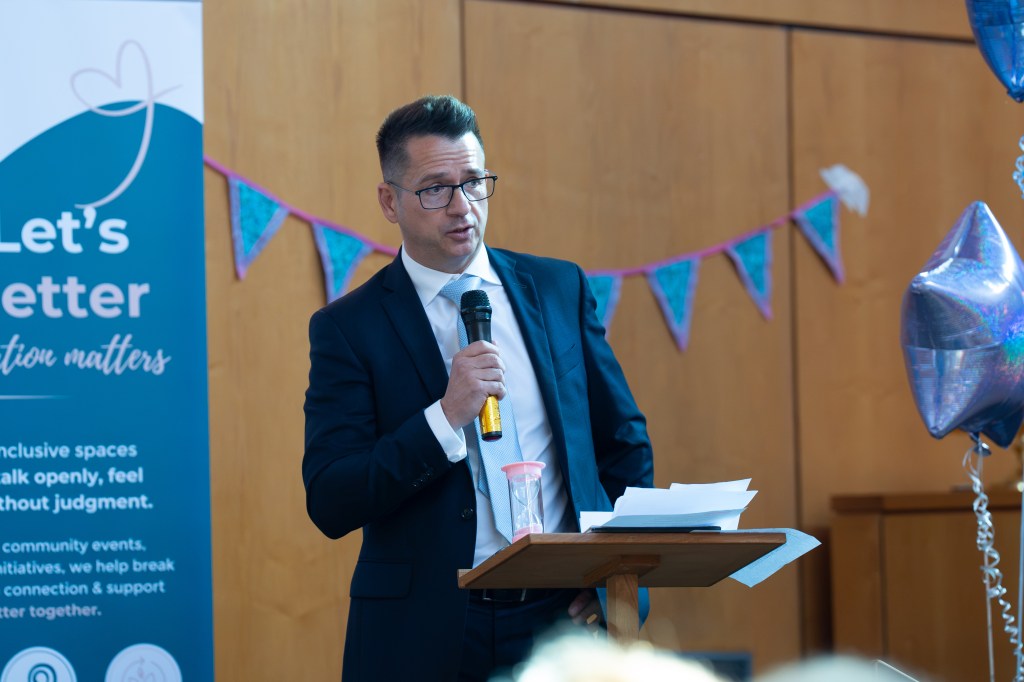
Darrell Reeves – W. Uden & Sons Funeral Directors

Conversations that brought different perspectives together

Alongside the speakers, our panel discussion brought another important dimension to the day.

Our panellists shared their professional knowledge, experiences and different perspectives, helping to explore some of the questions, concerns and realities surrounding dying well, planning ahead, dementia, bereavement and supporting those approaching the end of life.

Their openness and willingness to engage with the questions created space for honest discussion and reflection. It was an opportunity to explore subjects from different viewpoints, challenge assumptions and help people feel more comfortable asking questions they may otherwise have kept to themselves.

For attendees, hearing these different voices together in one room was valuable. It helped bring the practical and emotional aspects of dying well into the same conversation, while highlighting the support, knowledge and experience available within our community.

The feedback reflected just how important it was to have these conversations in an open, welcoming and supportive environment.
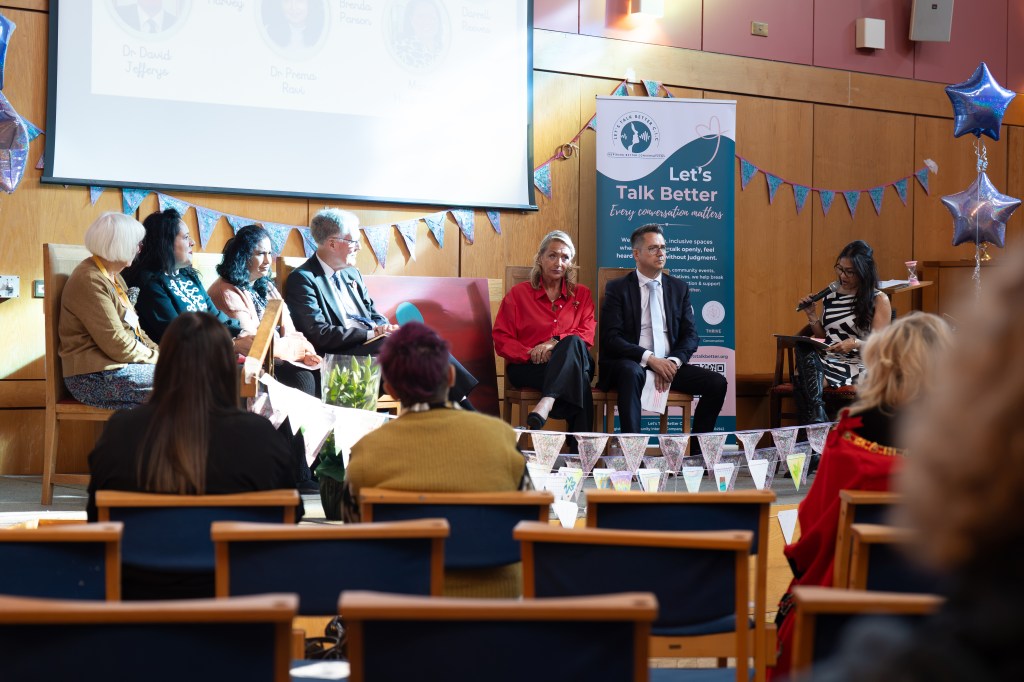
Panellists discussing end-of-life planning, dementia and bereavement at the Bromley community event
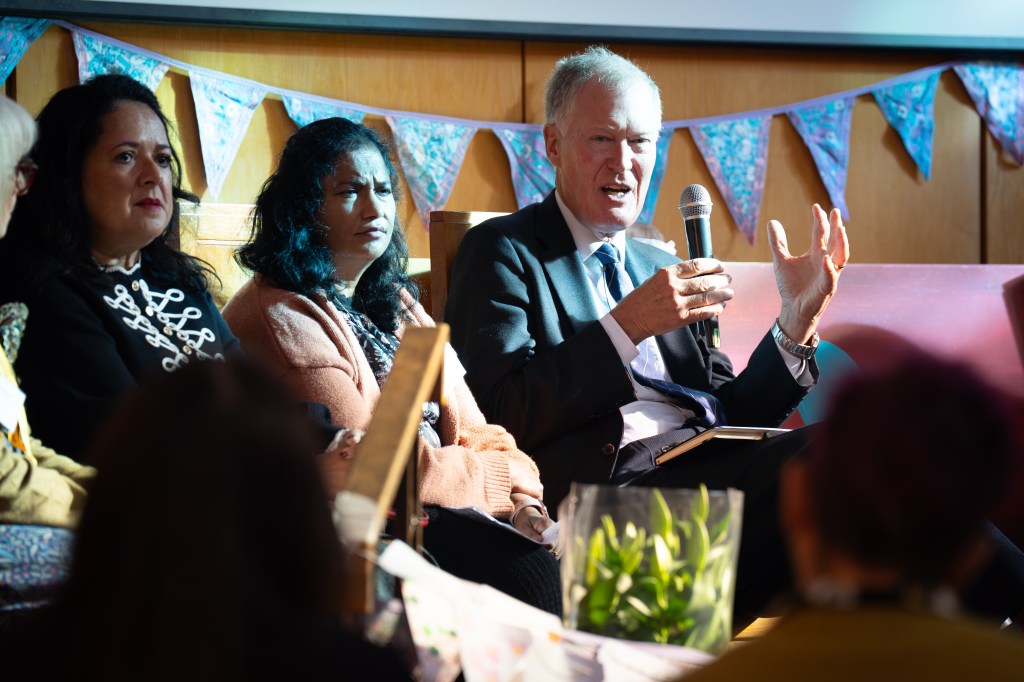
Dr David Jefferys – Former Bromley Mayor 2024-2025

Sometimes the smallest moments have the greatest meaning

One story shared by Nikki has stayed with me.

An older woman living alone with dementia had seen the event flyer and decided to attend. She stayed for the whole day.

At the end, she thanked Nikki and explained that she might forget much of the information, but she had enjoyed the day and found it helpful. She even offered to make a donation, which Nikki kindly declined, saying that her feedback was enough.

It is a simple story, but it says so much.

It reminds us that events like this are not just about the information shared, the number of people in the room or the organisations represented. They are also about connection, belonging and helping someone feel seen and included.
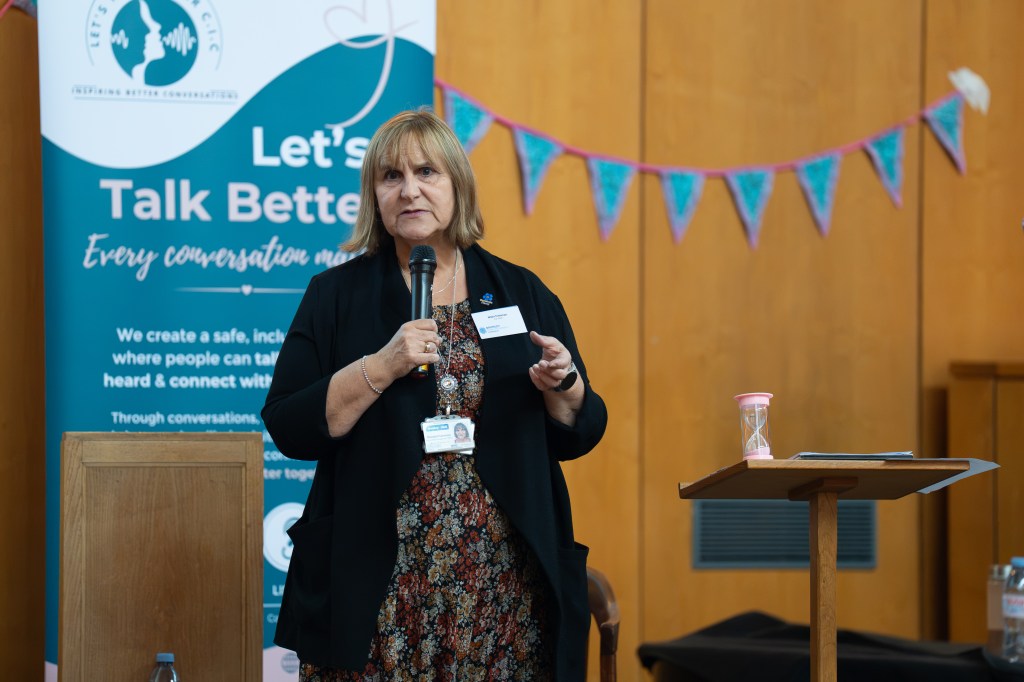
Nikki Fishman Event Co-organiser (Co-Chair Bromley Dementia Friendly Community)

Nikki reflected:

“This is exactly why the BDFC does what it does: to provide a forum where we can share information and these all-too-precious moments of real human connection with those who are affected by dementia.”

That, to me, is what community is about.

Sometimes the greatest impact is not measured in how much information someone takes away, but in how they feel when they leave.
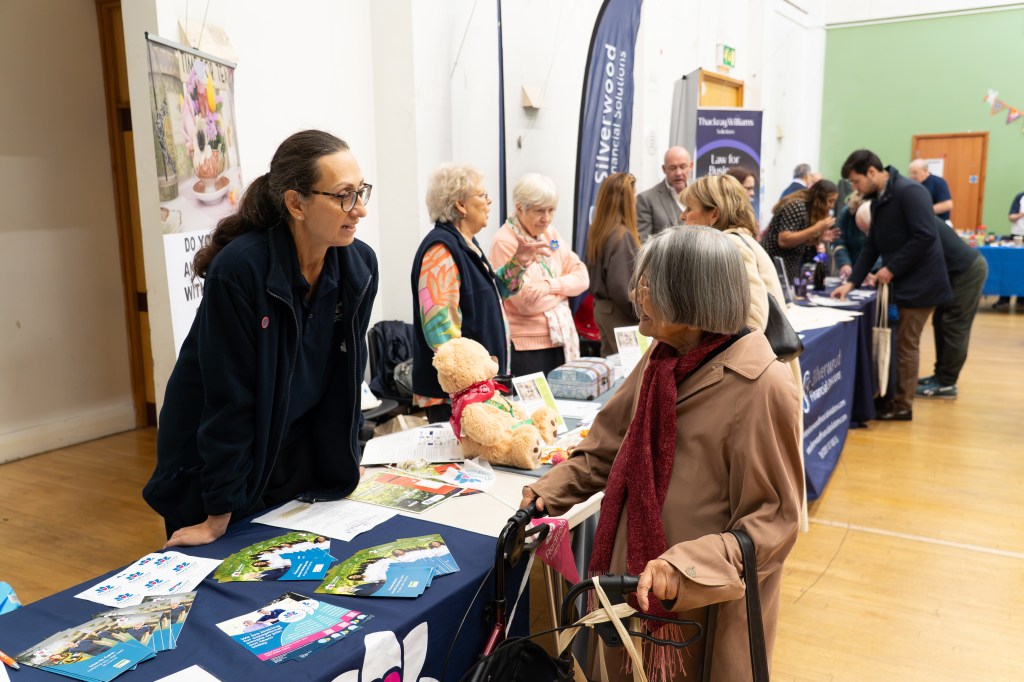
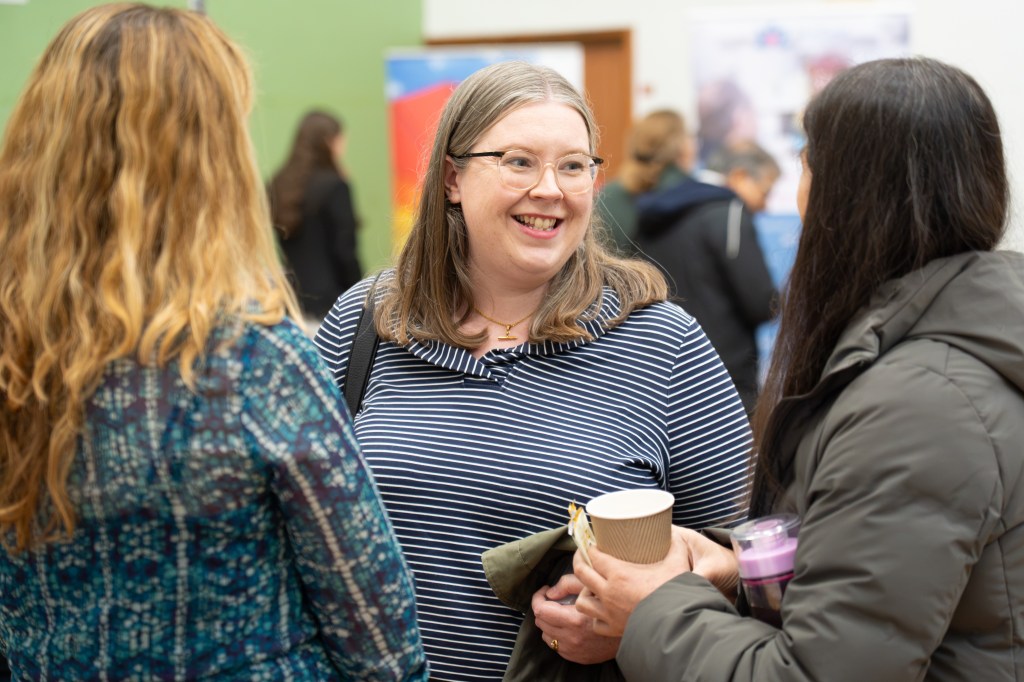
Exhibitors and attendees engaging in meaningful conversations

A personal reminder of why these conversations matter

For me, the event carried an added personal significance.

My uncle, who was also my godfather, passed away just one day before the event.

I found myself preparing to stand in front of a room of people and encourage them to have conversations about life, loss, wishes and the things that matter, while personally experiencing the reality of losing someone I loved.

It brought home, in a very real way, how important connection, time and the words we share with one another can be.

We cannot always choose when difficult moments arrive. We cannot always know what lies ahead. But we can try to make space for conversations while we have the opportunity.

Not every conversation needs to be perfectly worded. Sometimes it is simply about asking a question, listening, sharing a memory or letting someone know what they mean to us.

I am sharing this because these conversations are not just professional topics or event themes. They are part of being human. They touch every family and every community in different ways.

And perhaps that is why they matter so much.

A community effort, from our youngest contributors to our volunteers

An event like this does not happen because of one person or one organisation. It takes a community of people who believe in the purpose and are willing to contribute their time, skills, ideas and energy.

One particularly lovely contribution came from the children at St James School RC Primary School, Petts Wood, who created the beautiful bunting that helped decorate the event. Their involvement brought a special touch to the day. It was a reminder that community participation can cross generations, and that young people can have a part in creating something meaningful, even when the subject itself may be difficult.

I also want to give particular recognition to the volunteers from Bromley Rotary Game-Changers and Rotary E-Club Orpington.

Their contribution was invaluable. They gave their time, energy and practical support to help the day run smoothly, from welcoming and assisting people to supporting the many arrangements behind the scenes.

Volunteers are often the people who make the difference between an idea and an event that genuinely works for everyone attending. Their generosity and commitment should never be taken for granted. Without them, the day would not have been the same.

This is what happens when people and organisations come together with a shared purpose. Every contribution matters.

Children from St James RC Primary School created bunting especially for the event
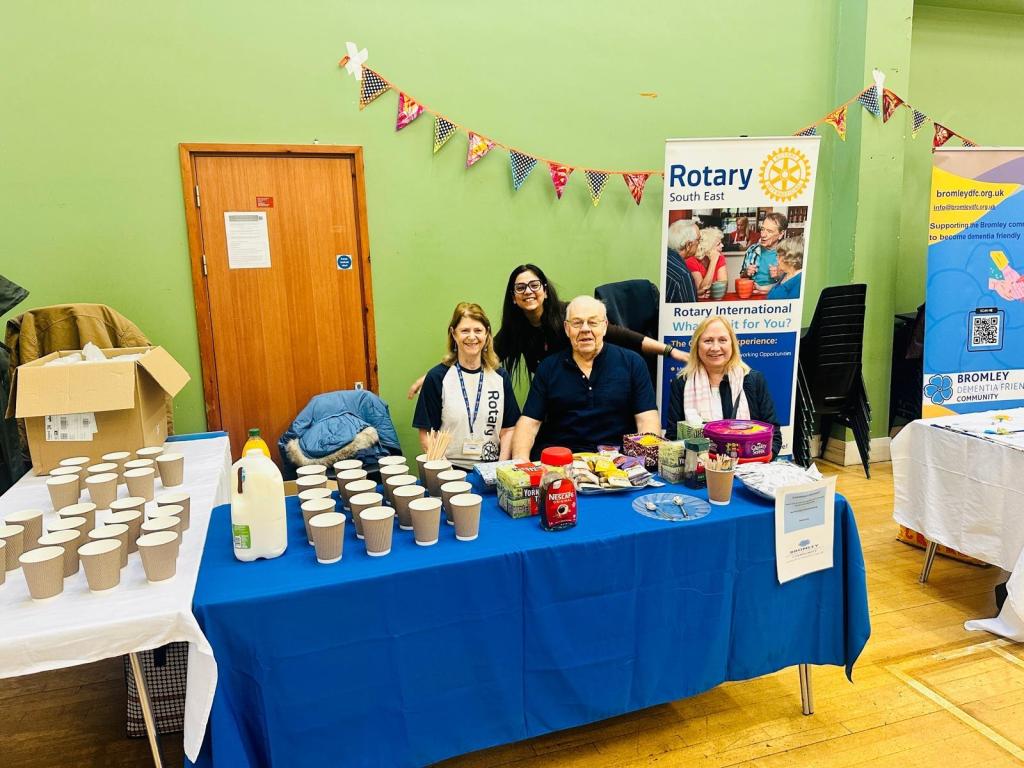
Our amazing Volunteers – Bromley Rotary Game-Changers and Rotary E-Club Orpington volunteers

With heartfelt thanks to everyone who made the day possible

There are many people and organisations I would like to recognise and thank.

To Nikki Fishman and Bromley Dementia Friendly Community, thank you for your partnership, encouragement and belief in the importance of bringing these conversations into the community.

To Chris and Helayna, thank you for the Innovation Fund support that enabled this collaboration and helped us deliver an event that brought so many people together around a subject that deserves greater attention.

To our Mayor of Bromley, Councillor Christine Harris, thank you for taking the time to join us and for sharing such a heartfelt closing speech, including your own reflections and experiences. Your presence meant a great deal to us.
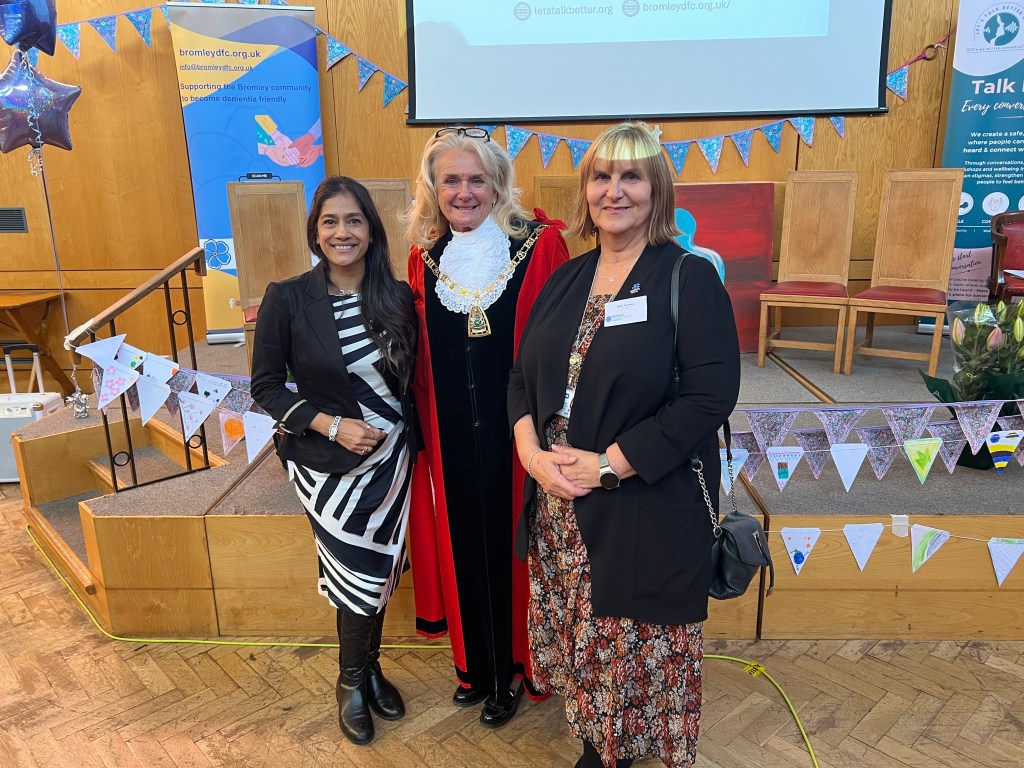
Mayor of Bromley Cllr Christine Harris with Zeenat Noorani & Nikki Fishman

Thank you to all our speakers and panellists for giving their time, knowledge and personal experiences so generously. Your willingness to share helped create an honest and meaningful day.

To our exhibitors and participating organisations, thank you for bringing your information, services and expertise into the room. It was wonderful to see so many different organisations come together and have the opportunity to connect with one another as well as with the community.

A special thank you to our supporters and contributors:

  • Radfield Home Care for supporting the day with refreshments.
  • Thackray Williams LLP for providing the first 50 tote bags for attendees.
  • Clarity Consulting for designing and printing the event information leaflets.
  • Symbiosia for the beautiful handmade bunting.
  • St James School RC Primary School, Petts Wood, and its children for creating such a lovely addition to the event.
  • Bromley Rotary Game-Changers and Rotary E-Club Orpington for their invaluable volunteering and practical support.
  • Roberta Silva for suggesting the school involvement and helping make that contribution possible.

And a special thank you to Sarah Knight, Head of Marketing at W. Uden & Sons Funeral Directors, for capturing the day through her photography. These photographs help preserve the moments, people and connections that made the event so special.

Finally, thank you to everyone who attended, shared feedback, asked questions, listened and took part. Your presence helped make the day what it was.
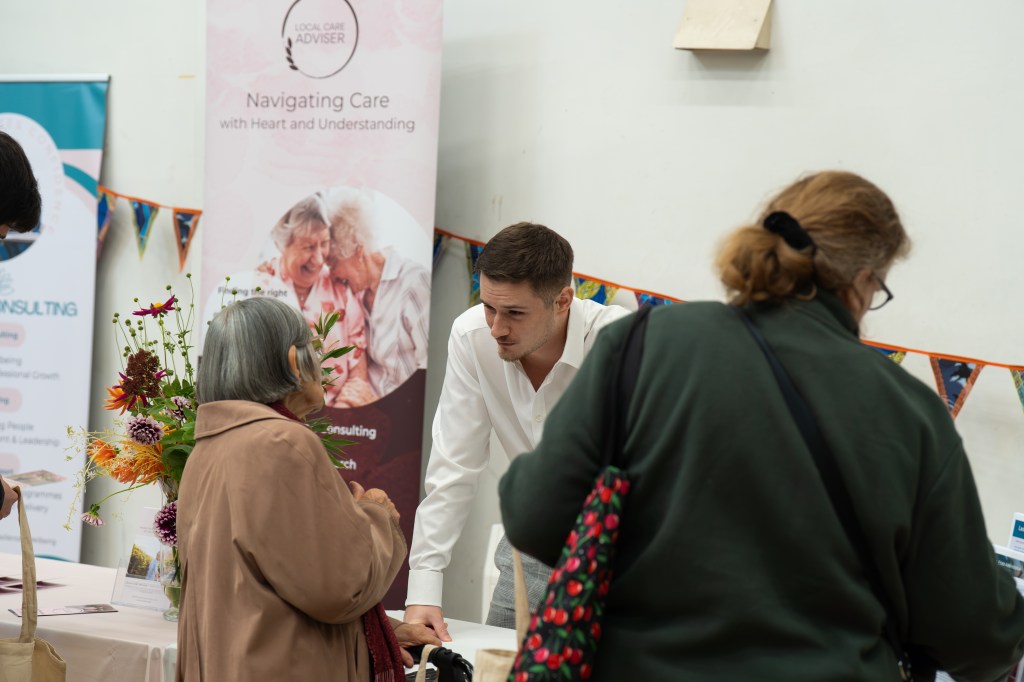
What happens next?

For Let’s Talk Better, this is not the end of the conversation. It is the beginning of something we hope will continue to grow.

The response to Dying Well Matters has shown us that there is a real appetite for safe, welcoming spaces where people can talk openly about subjects that are often avoided.

We would like to build on this by exploring the development of a Dying Well Community Hub: a place where people can find information, guidance and signposting to local support, alongside opportunities to hear from others with lived experience.

We also hope to develop a network of Dying Well Champions: people who can help encourage conversations within their own communities and point others towards trusted information and support.

Alongside this, we would like to offer smaller, more focused workshops on particular aspects of dying well, planning ahead, dementia, bereavement and supporting those who care for others.

These ideas will take collaboration, commitment and funding to develop. We would welcome conversations with organisations, professionals, community groups and individuals who share this vision and would like to be involved.

Our hope is that this event becomes part of a wider movement towards making these conversations more accessible, less frightening and more ordinary.
The conversation does not have to wait

The feedback we received from attendees, speakers, panellists and exhibitors was incredibly encouraging.

Former Mayor of Bromley, David Jefferys, described the event as a great success, saying it had helped to surface important issues and begin crucial conversations.

Another attendee told us how much their brother had enjoyed the day and hoped there would be more events like it. Others spoke about the importance of being curious, opening up difficult conversations and making people feel welcome.

We were also reminded by healthcare professionals how much difference it can make when people have these conversations while they are well enough to consider what matters to them, rather than waiting until a crisis.

That feedback is what gives us the encouragement to keep going.

I would like to leave you with a question:

If there is a conversation you have been putting off, what might change if you began it today?

It does not have to be a big conversation. It does not have to have all the answers. It simply needs a beginning.

At Let’s Talk Better, we will continue to create opportunities for people to speak, listen, learn and feel less alone. Because behind every difficult subject is a person, a family, a story and a need to be heard.

Don’t Wait For The Moment. Start The Conversation.

Every voice matters. Every conversation matters.


Read and listen to more about Dying Well Matters

Thank you to the local media and platforms that helped raise awareness of the event and its message:

*All event photographs credited to Sarah Knight, Head of Marketing, W. Uden & Sons Funeral Directors

_____________________________________________________________________________________

Understanding someone’s wishes and what matters to them can become even more important when their ability to communicate those wishes may change over time.

Bromley Well – support and services – Bromley Well provides free support for unpaid adult carers, including practical and emotional support, help with planning for the future and support through changes in caring circumstances.

St Christopher’s Hospice – For people in the Bromley area, St Christopher’s Hospice provides specialist palliative and end-of-life care and support, including support for people living with serious illness and those close to them.

Hospice UK – Death and dying provides information and practical guidance about death, dying, grief and end-of-life care, including resources to help people begin conversations that may feel difficult.

Marie Curie – End of Life Care – provides information and support for people living with a terminal illness, their families and carers, including guidance around palliative and end-of-life care and planning ahead.

Please remember: asking for help is not a sign that you are failing. It is a sign that you recognise you don’t have to navigate something this important alone. Sometimes the first step is simply knowing whom to ask.

 Let’s talk better. Let’s talk earlier. Let’s talk with compassion. Let’s talk about what matters. Because Dying Well Matters.

Author Zeenat Noorani – Clarity Consulting

Dying Well Matters: The Conversations We Avoid May Be the Ones That Matter Most

Dying Well Matters – Conversations That Count | Event 27th October 2026 – Bromley.

There are some conversations we spend our lives avoiding. Death is probably one of them.

We talk about births, weddings, new jobs, retirement, holidays and our plans for the future. We make lists, set goals and talk about the things we want to achieve. But when it comes to dying, many of us suddenly become uncomfortable.

We change the subject.

We tell ourselves there is plenty of time.

We reassure someone that they are doing well.

We say, “Let’s focus on the positive.”

Or perhaps we simply don’t know what to say. And sometimes, because we love someone so deeply, we believe that avoiding the conversation is a way of protecting them. But what if talking about dying isn’t about giving up hope?

What if it is actually about creating more choice, more dignity, more understanding, more connection – and more opportunity to make the most of the time we have?

That is at the heart of Dying Well Matters – Conversations That Count, a free community event being brought together by Bromley Dementia Friendly Community (BDFC) in partnership with Let’s Talk Better CIC (LTB CIC). And for me, this is about so much more than an event. It is about changing a conversation that too often remains unspoken.

Why is talking about dying so difficult?

Let’s be honest. Talking about death can feel frightening.

We may be frightened of upsetting someone.

We may be frightened of saying the wrong thing.

We may worry that talking about death will take away someone’s hope.

We may think:

“I don’t want to talk about it.”

“Let’s not talk about that now; there’s still plenty of time.”

“You’re doing so well; let’s just focus on the positive.”

“I don’t know what to say.”

“It’s best not to talk about death; it might upset them.”

Perhaps you’ve heard some of these. Perhaps you’ve said them. And the truth is, most of these words don’t come from a bad place. They usually come from love.

We say them because we care.

We say them because we are frightened.

We say them because we don’t want someone we love to suffer.

But sometimes, in trying to protect someone from a difficult conversation, we can unintentionally prevent them from telling us what they actually need.

Hospice UK highlights that people living with incurable illness may try to talk about their worries about the future, while family members or professionals can sometimes respond with reassurance such as “you’re doing so well” or “let’s focus on the positive.” Although well-intentioned, this can close down an opportunity for the person to express their fears and priorities. And that is something worth thinking about.

What if the conversation isn’t what causes the sadness?

What if the sadness is already there?

What if talking simply permits someone to share it?

“So, what do I actually say?” This is one of the biggest barriers. We want to have the conversation. We know it probably matters. But we don’t know where to begin and perhaps there isn’t a perfect sentence. Perhaps there doesn’t need to be.

You could simply ask:

“How are you feeling about what is happening?”

“Is there anything you’re worried about?”

“What is important to you right now?”

“Is there anything you want us to know?”

“How would you like us to support you?”

Or even:

“Would you like to talk about it?”

And if the answer is no? That’s okay.

You don’t have to force the conversation. You can simply leave the door open:

“That’s okay. We don’t have to talk about it now. But whenever you’re ready, I’m here.”

Sometimes that is enough.

 Hospice UK also emphasises that conversations about dying don’t have to be one enormous, frightening discussion. They can happen gradually, at different stages of someone’s illness, guided by what the individual wants to know and discuss.

There isn’t one conversation. There can be many conversations. And sometimes the earlier we begin, the easier those conversations can become.

Culture, faith and tradition matter too

There is another incredibly important part of this conversation. We don’t all understand death in the same way. Our culture, faith, traditions, family experiences and personal beliefs can profoundly influence how we think about dying.

For some people, talking openly about death is a natural and important part of preparing for the future. For others, discussing death with someone who is seriously ill may feel inappropriate. Some families may believe that talking openly about dying could take away hope, cause distress or even be seen as tempting fate.

Some cultures and families may place great importance on collective decision-making. Others may place greater emphasis on an individual’s right to know and make their own choices. Faith can influence how someone understands illness, suffering, prayer, rituals, the afterlife, where they would like to be cared for, who should be involved and what happens after death. And then there are the questions that can become incredibly difficult within families:

Who should be told?

When should they be told?

Should the person who is dying know everything?

Who should make decisions?

Should children be involved?

Who should be present?

 There is no single answer that works for everyone and that is precisely why we need to ask rather than assume.

Hospice UK’s work on culture and dying recognises that talking about death and dying can be challenging across different cultures and faiths.

We don’t need to know everything about every culture. We do need to be willing to listen.

Instead of assuming, we can ask:

“What is important to you and your family?”

“Are there any cultural or faith practices you would like us to understand?”

“Who would you like involved in decisions about your care?”

“Is there anything that would help you feel more comfortable or supported?”

These questions don’t tell someone what they should believe.

They give them the opportunity to tell us what they believe because when we understand each other better, we can support each other better by being more understanding and respectful of people’s boundaries and beliefs.

What does “dying well” actually mean?

Perhaps this is the biggest question of all because dying well will mean something different to every person.

For one person it may mean being at home.

For another, it may mean being surrounded by family.

It may mean having their favourite music playing.

Seeing their pet.

Celebrating one more birthday.

Being able to pray.

Having particular religious or cultural rituals respected.

Making peace with someone.

Writing letters to their children.

Having their symptoms and pain managed.

Being able to say goodbye.

Or simply being somewhere they feel safe and cared for. 

There is no universal definition of a “good death”. It is personal, andthat means we cannot guess. We have to ask.

Hospice UK describes how, in palliative care, understanding what matters to an individual is central because everyone’s priorities and values are different. That is why conversations matter so much. They give someone the opportunity to say:

“This is what matters to me.” This gives the people around them the opportunity to say: “We hear you.” Palliative and end-of-life care isn’t just about the final days. There is also a common misconception that palliative care only begins when someone is very close to death. It doesn’t. Palliative care is about supporting people living with serious or life-limiting illness, including managing symptoms and providing emotional, psychological, social and spiritual support. It can also support families and carers.

That matters because living with a terminal or life-limiting illness can bring an enormous amount of uncertainty.

What is going to happen?

How much time do I have?

Will I be in pain?

Where will I be cared for?

Can I stay at home?

Who can help me?

What happens to my family?

What will happen when I’m no longer able to make decisions?

These aren’t easy questions. However, they are important ones. Talking about wishes and preferences in advance can help people communicate what matters to them and can help those close to them understand their wishes.

An advance statement, for example, can record someone’s wishes, beliefs and preferences for future care. Planning isn’t giving up. It can be an act of care and it can give people greater clarity and can reduce the burden on loved ones who may otherwise be left wondering, “What would Mum have wanted?”

Let’s not forget the carers

When we talk about end-of-life care, it is very easy to focus entirely on the person who is ill, but there is often another person quietly living alongside the experience.

The partner. The daughter. The son. The sibling. The friend. The neighbour. The unpaid carer.

The person organising appointments, medication, meals, transport and practical arrangements while trying to hold themselves together emotionally. Carers can experience exhaustion, anxiety, sadness, anticipatory grief, frustration, guilt and uncertainty. And yet many will still say:

“I’m fine.” Because their focus is on the person they love. Guess what?  Carers matter too. Their wellbeing matters.

They need somewhere to talk and process.

They need practical information.

They need to understand what is happening.

They need to know what support exists.

And they need permission and not to be afraid to say:

“I’m struggling.”

“I don’t know what to do.”

“I need help.”

“I’m frightened about what happens next.” This isn’t selfish. It is human.

In Bromley, Bromley Well provides free support for unpaid adult carers, including practical and emotional support, planning for the future, help through changes in caring circumstances, and support when the person being cared for moves into palliative care or dies. Sometimes the person caring for someone else needs caring for too.

And what happens when we don’t talk?

Silence can feel safer in the moment. However, it can also create a deep sense of loneliness.

A person may be frightened but feel unable to say so.

A family may have completely different assumptions about what someone wants.

A carer may feel overwhelmed but believe they have to cope alone.

Someone may want to talk about their faith or wishes but worry that no one wants to hear it or will understand. Someone may have questions about what is going to happen but be afraid to ask, and families can sometimes reach a crisis point before anyone has had the opportunity to say:

“What do you actually want?”

Hospice UK notes that avoiding honest conversations around death can increase feelings of distress, loneliness and grief. This doesn’t mean we should force conversations. It means we should make them possible.

 Understanding each other can change everything

Imagine a family where everyone feels able to say what matters.

Imagine a person living with a terminal illness being able to explain their wishes without feeling that they are upsetting everyone.

Imagine a carer being able to say they are exhausted without feeling guilty.

Imagine a healthcare professional asking about cultural and faith needs rather than making assumptions.

Imagine families knowing where to go for support before they reach crisis point.

Imagine someone saying: “I don’t know what to do.”

And someone being there to say: “You don’t have to work it out alone.”

That is what better conversations can create. Not necessarily different circumstances but a different experience of those circumstances. More understanding. More compassion. More choice. More connection. More confidence and sometimes, simply less fear.

This is why Dying Well Matters

As Let’s Talk Better CIC, our purpose is rooted in creating opportunities for people to talk about the things that matter, particularly the subjects that can be difficult, uncomfortable or surrounded by stigma.

Death and dying belong in that conversation too. This event isn’t about telling people how they should think about death. It isn’t about telling families what they should believe.

It isn’t about forcing anyone to have a conversation they aren’t ready for and it certainly isn’t about taking away hope.  It is about creating a safe space to listen, learn, ask questions and connect.

It is about bringing people together around a subject that affects every one of us, while recognising that our experiences, cultures, faiths and beliefs may be very different.

It is about helping people understand the support that exists.

It is about giving carers an opportunity to hear from others and realise they aren’t alone.

It is about helping people living with life-limiting illness understand that their wishes matter.

It is about encouraging people to think about their own preferences before someone else has to make decisions on their behalf.

And it is about making conversations about death and dying less frightening and more human.

What can you gain from coming?

You might come because you are caring for someone.

You might come because someone you love has received a terminal diagnosis.

You might be supporting someone living with dementia.

You might work in health, social care or the community.

You might have experienced bereavement.

You might want to understand more about palliative and end-of-life care.

You might want to learn about support available locally.

Or perhaps you simply believe that we need to become better at talking about death. 

Whatever brings you through the door, we hope you leave with something valuable.

Perhaps it will be knowledge.

Perhaps it will be reassurance.

Perhaps it will be a new connection.

Perhaps it will be a question you hadn’t thought of before.

Perhaps it will be the confidence to have a conversation you’ve been avoiding.

Or perhaps it will simply be the realisation: “I’m not the only one who finds this difficult.” That alone can be powerful.

You don’t have to get the words perfect. You don’t have to have the perfect words.

 One of the most important things I want people to take away from this is this:

You don’t have to know exactly what to say.

You don’t have to fix someone’s fear.

You don’t have to have all the answers.

Sometimes your role is simply to listen. To sit beside someone. To let them cry. To allow silence.

To say: “Tell me more.”

Or: “I’m here.”

Or: “What matters most to you?” And if you don’t know what to say? You can say exactly that. “I don’t know what to say, but I want to listen.” That can be far more powerful than pretending everything is okay.

Let’s Talk Better – even when the conversation is difficult.

As The Clarity Coach, I often talk about the importance of clarity, slowing down, understanding what matters, asking better questions and having the courage to acknowledge what is true.

As CEO and co-founder of Let’s Talk Better CIC, I believe that clarity shouldn’t just be something we find individually.

It is something we can create together.

By talking. By listening. By asking better questions. By respecting different perspectives. By making space for culture, faith and tradition. By understanding that everyone has their own relationship with death. And by giving people permission to ask for help because asking for help isn’t failing. It is an act of strength.

So, can we start the conversation?

Maybe this blog has made you think about someone you love.

Maybe there is a conversation you’ve been avoiding.

Maybe you have been telling yourself: “There is plenty of time.”

Maybe you don’t know what to say.

Maybe your family or culture has taught you that talking about death isn’t something you do.

Maybe you are caring for someone and quietly struggling yourself. Or maybe you simply want to be better prepared for the future.

You don’t have to do everything today. Start with one question. One conversation. One phone call. One moment of honesty. “Can we talk?”

Sometimes the conversation we are most frightened to have becomes the conversation that brings the greatest clarity, connection and comfort,, and that is why Dying Well Matters because talking about dying isn’t about giving up on life. It is about helping people live with greater choice, dignity, understanding, connection and support – right through to the end. 

Dying Well Matters – Conversations That Count – 27 October 2026 – Bromley – United Reform Church

A free community event brought to you by Bromley Dementia Friendly Community (BDFC) in partnership with Let’s Talk Better CIC.

Come and listen.

Come and learn.

Come with questions.

Come because you are caring for someone.

Come because you want to understand more.

Come because you want to think about your own wishes.

Come because you believe we can change the way we talk about death and dying.

Come and be part of changing the conversation.

Book your free place for Dying Well Matters

If you or someone you know needs support

If someone is living with a life-limiting or terminal illness, speaking with their GP, community/district nurse, hospital team or other healthcare professional is a good starting point for understanding what care and support may be available.

You don’t have to wait until things reach crisis point before asking for help.

For people living with dementia, their families, carers and those supporting them in the Bromley borough, Bromley Dementia Friendly Community (BDFC) is a valuable local source of information, connection and support.

Bromley Dementia Friendly Community – BDFC brings together local organisations, services, businesses and community groups to help make Bromley a more dementia-friendly place. Their network can help people discover local activities, services and organisations that can support people affected by dementia and their carers. (Bromley Dementia Friendly Community)

This is particularly relevant to conversations around dying well because dementia can bring its own challenges around communication, decision-making, advance care planning, changing needs and supporting families and carers.

Understanding someone’s wishes and what matters to them can become even more important when their ability to communicate those wishes may change over time.

Bromley Well – support and services – Bromley Well provides free support for unpaid adult carers, including practical and emotional support, help with planning for the future and support through changes in caring circumstances.

St Christopher’s Hospice – For people in the Bromley area, St Christopher’s Hospice provides specialist palliative and end-of-life care and support, including support for people living with serious illness and those close to them.

Hospice UK – Death and dying provides information and practical guidance about death, dying, grief and end-of-life care, including resources to help people begin conversations that may feel difficult.

Marie Curie – End of Life Care – provides information and support for people living with a terminal illness, their families and carers, including guidance around palliative and end-of-life care and planning ahead.

Please remember: asking for help is not a sign that you are failing. It is a sign that you recognise you don’t have to navigate something this important alone. Sometimes the first step is simply knowing whom to ask.

 Let’s talk better. Let’s talk earlier. Let’s talk with compassion. Let’s talk about what matters. Because Dying Well Matters.

Author Zeenat Noorani – Clarity Consulting